
Shiba Inu Governance: How Decisions Are Made in the Shib Ecosystem
Table of Contents

Shiba Inu Governance: How the ShibArmy Helps Steer the Ecosystem Shiba Inu governance is the decision process that guides the Shib ecosystem, from ShibaSwap to...
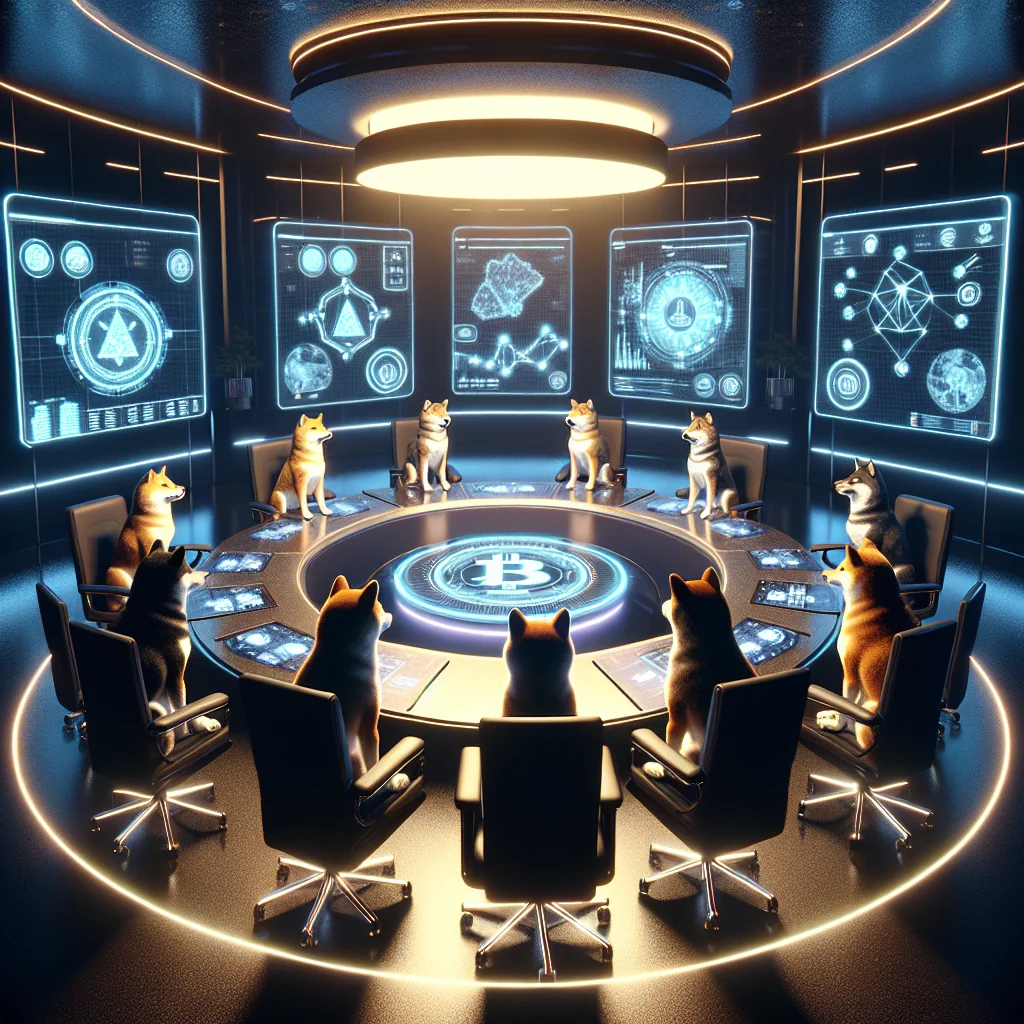
Shiba Inu governance is the decision process that guides the Shib ecosystem, from ShibaSwap to Shibarium and future projects. For holders, Shiba Inu governance means more than memes and price moves. It describes who can propose changes, who can vote, and how those choices affect tokens like SHIB, BONE, and LEASH.
This guide explains how Shiba Inu governance works today, how the community helps shape it, and what you should know before joining votes or governance discussions as part of the ShibArmy.
Why Governance Matters for Shiba Inu Holders
Governance decides the rules of the game. For Shiba Inu, that can include rewards, token emissions, fee structures, and which projects get support. Clear governance helps a meme coin grow into a wider ecosystem with DeFi, NFTs, and a layer-2 network.
Without a clear model, decisions can feel random or controlled by a small group. With a clear model, holders understand who has influence and how to use their voice. This is why Shiba Inu governance is a key topic for long-term community members.
What Governance Changes Can Affect
Governance choices can shift incentives across the ecosystem. A vote can change how much BONE goes to liquidity providers, or how Shibarium gas fees are handled, or which new tokens gain visibility on ShibaSwap.
These moves can affect yields, app usage, and even how attractive Shiba Inu looks to new builders. For that reason, staying aware of governance changes helps holders understand why conditions on ShibaSwap or Shibarium may shift over time.
Core Pieces of Shiba Inu Governance
Shiba Inu does not use a single, perfect DAO yet. Instead, governance is spread across several parts of the ecosystem. These pieces overlap and will likely change over time as the project matures and the community experiments with new structures.
Below are the main components that shape how Shiba Inu governance works today and where real influence tends to sit in practice.
- SHIB token community: The broad base of holders and the ShibArmy social layer.
- BONE as a governance token: Used for voting on proposals, especially on ShibaSwap and Shibarium decisions.
- ShibaSwap DAO features: Community voting on listings and some parameters.
- Shibarium validators and delegators: Node operators and stakers who help secure the layer-2 and may influence technical choices.
- Core team and devs: The group that still leads development, coordination, and many high-level calls.
- Community proposals and forums: Social governance through Discord, X, Telegram, and other channels.
Together, these elements form a mixed model: part community-driven, part team-led. Understanding each part helps you see where influence sits and how it may shift in the future as more formal Shiba Inu governance tools roll out.
Hybrid Control Between Team and Community
The current setup blends social pressure, token voting, and core team leadership. Token holders can guide some choices, but the team still steers long-term vision, key launches, and security-sensitive upgrades.
Over time, the balance may move toward more on-chain processes. For now, holders need to watch both official announcements and community debates to understand how decisions really form.
How Shiba Inu Governance Developed Over Time
Shiba Inu began as a meme token with a strong focus on community culture rather than formal governance. Over time, the ecosystem added DeFi tools and a layer-2 network, which pushed governance to evolve and become more structured.
Early on, decisions were mostly driven by anonymous founders and a small dev group. As ShibaSwap launched and the ShibArmy grew, the project introduced more voting features and clearer roles for tokens like BONE. The launch of Shibarium added another layer, since validators and delegators now help secure the network.
The trend has been moving from founder-led choices toward more structured, community-influenced governance, though the core team still holds major influence today and often sets the pace for change.
Milestones in Shiba Inu Governance
Governance growth has followed major product releases. ShibaSwap introduced BONE-based votes. Shibarium brought network validators into the picture. Each new product opened a path for more specific governance roles.
Future tools, such as more formal DAOs or sub-DAOs, will likely follow the same pattern, arriving as new apps or verticals mature and need their own decision processes.
Shiba Inu Governance Through ShibaSwap and BONE
ShibaSwap is the DeFi hub of the Shib ecosystem. Governance here is centered around BONE, which acts as the main governance token. Holders of BONE can use it to vote on proposals related to ShibaSwap and some ecosystem decisions that touch liquidity and rewards.
On ShibaSwap, governance has focused on things like which tokens to list, how rewards are allocated, and how the DEX is structured. BONE holders gain influence by staking or using governance tools on the platform, depending on the current setup and user interface.
This model gives active DeFi users more voice than passive SHIB holders, since BONE is more closely tied to ShibaSwap participation and Shibarium staking rather than simple token holding.
How BONE Voting Typically Works
BONE voting usually follows a simple idea: one token, one vote. Proposals are posted through official channels or platform modules, and BONE holders can support or reject them by locking or signaling their tokens.
The exact mechanics can change with upgrades, so holders should always check current instructions before voting. Still, the core idea stays the same: active BONE users steer many DeFi-related settings for Shiba Inu.
Shiba Inu Governance on Shibarium
Shibarium is Shiba Inu’s layer-2 network, built to lower fees and support more complex apps. Governance here looks more like a network governance model than a simple token vote. Validators run nodes and produce blocks, while delegators stake with them and share in rewards.
BONE is used as the gas token on Shibarium and is also involved in validator staking. This means BONE again plays a central role in governance, because validators and large stakers can influence how the network evolves, either directly or through future governance frameworks.
While Shibarium governance is still developing, the pattern is clear: technical decisions and network rules will likely lean on validator input and BONE-based voting, combined with guidance from the core team on security and roadmap choices.
Validators, Delegators, and Influence
Validators have direct control over block production and can shape network upgrades through their coordination. Delegators, who stake BONE with validators, can reward or punish validator behavior by shifting stake.
This structure gives active Shibarium users a channel to express views, even before formal on-chain votes cover every type of network change.
Community, Social Governance, and the ShibArmy
Formal voting is only one layer of Shiba Inu governance. The ShibArmy’s social influence is another. Large, active communities can shape priorities even without direct on-chain votes, simply by supporting or rejecting ideas in public spaces.
For Shiba Inu, social governance often happens through open discussion. People debate proposals, raise concerns, and signal support in public threads. Core contributors watch these signals and may adjust plans based on feedback and the strength of community responses.
This soft power can affect listings, partnerships, and even how fast features roll out. For holders, joining these channels is often the first step in real governance participation and in understanding the mood of the ShibArmy.
Examples of Social Governance in Action
Community pushback can slow or reshape a plan, even if no formal vote exists. Strong support can also help a feature gain priority or attract more builder attention.
Because of this, many contributors float ideas in public before writing full proposals. Feedback at that stage can stop weak ideas early and save time for both devs and holders.
How Shiba Inu Governance Compares to Other Crypto Projects
Many DeFi projects use a DAO-first model, where token votes directly control treasuries and protocol changes. Shiba Inu governance is more hybrid. The project balances meme culture, a strong brand, and a growing technical stack, so the structure is less strict than some DeFi-only protocols.
Compared with pure meme coins, Shiba Inu has more defined governance tools, mainly through BONE and ShibaSwap. Compared with large DeFi protocols, Shiba Inu has more central influence from its core team and a heavier role for social consensus expressed by the ShibArmy.
This mix can be a strength, because it allows fast decisions, but it also means holders should not assume that every choice is made by on-chain vote alone or that token votes always have the final say.
Shiba Inu Versus Other Governance Models
The table below gives a simple side-by-side look at how Shiba Inu governance compares with two broad categories of crypto projects. This helps highlight where Shiba Inu sits on the spectrum between central control and community control.
Table: Shiba Inu Governance Compared with Other Project Types
| Aspect | Shiba Inu | Typical Meme Coin | Typical DeFi DAO |
|---|---|---|---|
| Main Governance Token | BONE with support from SHIB community | Often none or basic token signaling | Dedicated governance token |
| Decision Style | Hybrid: team-led plus token and social input | Founder-led and social hype | On-chain votes for many changes |
| Layer-2 Role | Shibarium with validator and delegator influence | Usually no custom network | May run on major chains only |
| Community Impact | Strong social pressure plus some formal votes | Mostly social pressure | Formal votes plus forum debates |
Shiba Inu sits between loose meme projects and strict DeFi DAOs. Holders get more structure than a typical meme coin, but less direct control than in many governance-first DeFi protocols.
How to Take Part in Shiba Inu Governance Safely
If you want to be involved in Shiba Inu governance, you do not need to be a whale. You do need to understand the risks and basic steps. Governance participation always carries smart contract, market, and network risk, so a careful process matters.
Here is a simple path that many holders follow to get started, while staying cautious and building skills over time.
- Learn the basics: Read official Shiba Inu resources and follow trusted community channels before using any governance tool.
- Secure your wallet: Use a reputable wallet, protect seed phrases, and consider hardware wallets for higher amounts.
- Get BONE if needed: If you want to vote on ShibaSwap or Shibarium-related proposals, acquire BONE through reputable exchanges or DEXs.
- Explore ShibaSwap: Visit the official ShibaSwap site, connect your wallet, and review the governance or voting section.
- Read proposals fully: Before voting, read the full proposal, check who wrote it, and look for community discussion.
- Start small: Test with a small amount of BONE or a single vote to understand the process.
- Join discussions: Share your view in community channels, but be careful with links and direct messages from strangers.
- Monitor changes: After voting, watch how the decision is implemented and how it affects the ecosystem.
This approach helps you build experience step by step, instead of jumping in with large sums or blind trust in any single proposal or public figure.
Practical Safety Tips for Voters
Always double-check contract addresses and website URLs before connecting a wallet. Fake sites and fake governance tokens are common attack methods in crypto.
Never share seed phrases or private keys with anyone, and treat urgent messages that pressure you to act fast as red flags rather than real guidance.
Risks and Limitations of Shiba Inu Governance
Shiba Inu governance, like most crypto governance, has trade-offs. Token-based voting tends to favor large holders, which can lead to concentrated power. Social governance can be noisy and driven by short-term price goals instead of long-term health.
The core team still plays a big role, so the project is not fully decentralized. That can be positive for coordination, but it means holders should treat “community-run” claims with nuance. Governance is a spectrum, not a simple on or off switch.
Smart contract bugs, network issues, and scams around fake governance tokens or sites are also real risks. Always verify URLs, contracts, and announcements through official Shiba Inu channels before acting on any vote or proposal.
How to Think About These Trade-Offs
No governance model is perfect. A system that moves fast can feel less inclusive, while a system with constant votes can feel slow and tiring for users.
As a holder, the key is to understand where power sits today and decide how much time, capital, and attention you want to commit to the Shiba Inu governance process.
The Future of Shiba Inu Governance
As Shibarium grows and more apps launch on top of Shiba Inu, governance will likely become more structured. New DAOs, sub-DAOs, or clearer voting frameworks may appear for different parts of the ecosystem, such as NFTs, gaming, or specific DeFi products.
The role of BONE as a governance and gas token suggests that deeper on-chain voting could emerge over time. At the same time, the ShibArmy’s culture and social power will remain central to how decisions land in practice and how proposals gain support.
For holders, a good strategy is to stay informed, treat governance as a shared responsibility, and engage with a clear view of both the benefits and the limits of Shiba Inu governance today and in the years ahead.
What Holders Can Do Right Now
You can start by tracking major proposals, learning how BONE-based votes work, and joining at least one active community channel. Even simple actions, like giving thoughtful feedback on draft ideas, can push Shiba Inu governance in a better direction.
Over time, consistent and informed participation from many small holders can balance the weight of large wallets and help Shiba Inu grow with a stronger, more aware community voice.